
While Hawaii wastes its volcanic energy, Iceland is drilling into a violent volcano to capture steam at 1,652 °F deep underground
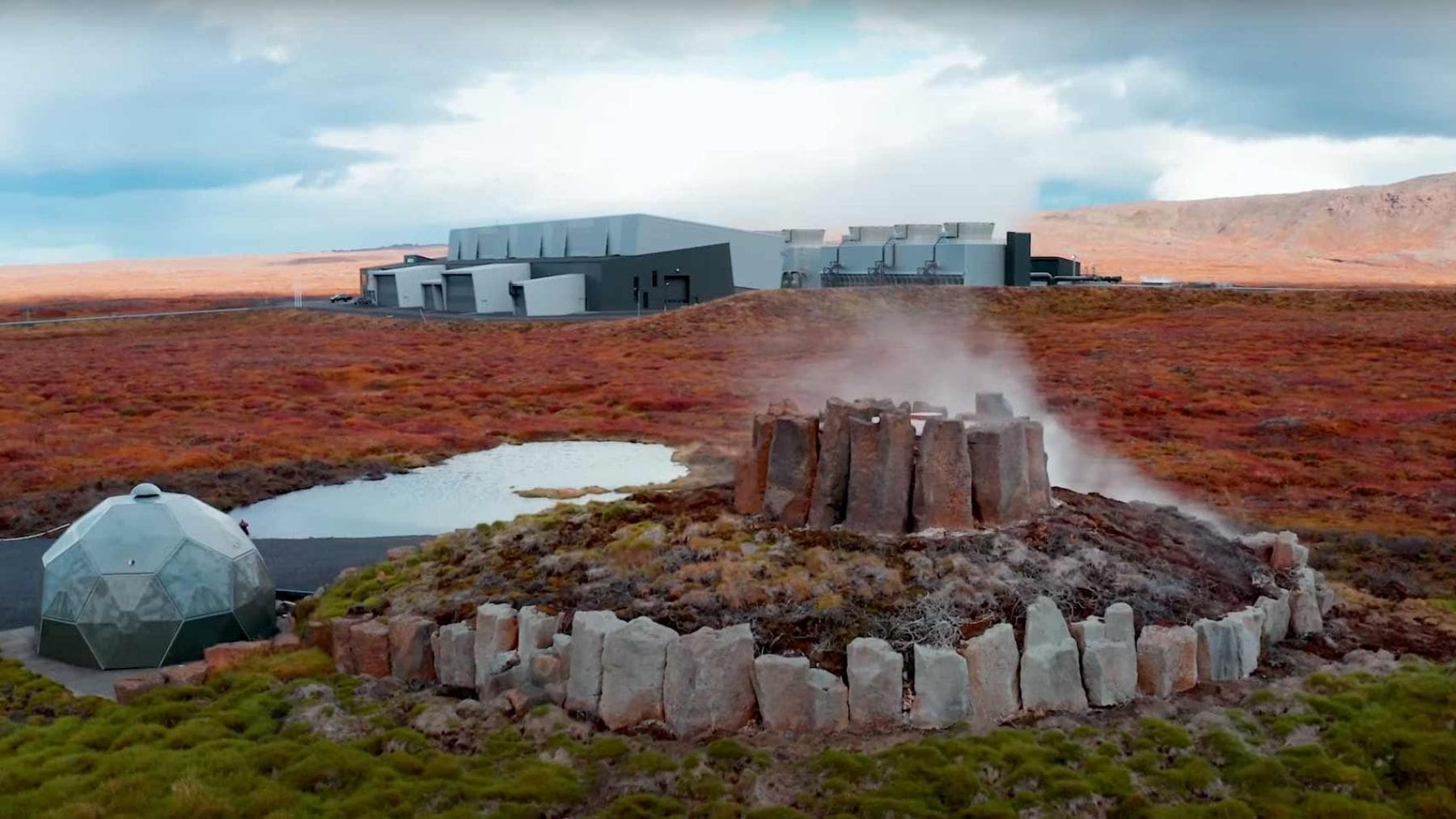 Credits: Krafla Magma Testbed
Two nations were shaped by volcanic energy, yet only one is willing to drill deep enough to tap its potential.
The line between “super” and standard clean power is a hot and dangerous one, but it is crossable.
Iceland is now the first to deliberately try to cross it, aiming for metallurgical limit pushing temperatures.
The Krafla Magma Testbed’s success could provide other island nations, such as Hawaii, with the technical “tools” to follow suit.
Will this island nation be the first to provide commercial electricity and heat generated from its volcano’s underground source?
How geothermal ensures reliability in isolation
Globally, many nations are devoted to the green energy transition, with widespread renewable power capacity rising.
However, this shift has been easier for some than for others to embrace.
The biggest challenge of typical clean energy sources, such as wind and solar, is their intermittent nature.
Mainland territories without adequate battery storage systems can share power across borders to maintain grid performance.
In the case of an island nation, there are no neighboring grids to lean on. This makes solar and wind less ideal, not to mention the limited space to expand these installations.
For islands like Iceland and Hawaii, transitioning to green energy has to be an environmental and logistical choice.
This is why geothermal energy and its reliable, consistent power supply stand apart. It ensures baseload electricity for isolated grids that cannot afford blackouts.
However, the use of this source has always been limited. Many places, like Hawaii, still significantly rely on oil imports.
Great potential, but even higher stakes and costs
Geothermal energy is key to ensuring that alternative energy portfolios are more diverse. Yet, imported fossil fuels still meet the majority of the energy needs of most island nations.
The reason behind this tragic dependency is that utilization faces economic and technical obstacles that are difficult to overcome.
Significant upfront funding (sometimes more than $10 million) is needed for well exploration. The investment also has zero guarantee that drilling will strike a viable steam source.
This is why diesel generators and fuel imports seem like the “smarter” and more affordable choice.
Traditional geothermal also necessitates a rare combination of conditions. The rock must be permeable, heat must be intense, and groundwater must be abundant.
Beyond the added cost of infrastructure, some nations, such as Hawaii, have strict social and cultural sensitivities to consider.
Fortunately, Iceland’s Krafla Magma Testbed site could soon provide similar nations a hot and powerful alternative.
Tapping a volcano for its superheated energy
Sometimes, an accidental discovery can lead to new ambitions, as was the case with the 2009 Iceland Deep Drilling Project.
The initial exploration for feasible wells at 15,000 feet was abruptly halted at just 6,900 feet. At this depth, the drill bit struck a pocket of molten rhyolitic magma.
This magma well became the team’s inspiration.
The generated steam reached a world-record temperature of 842°F, and its output was tenfold that of a standard well.
This led to the Krafla Magma Testbed. The details can be reviewed in the study “Implementing the Krafla Magma Testbed (KMT): linking volcanology and geothermal research for future hazard and energy solutions,” published by Harvard University.
The deliberate descent into a magma chamber
The world’s first magma observatory will begin intentional drilling in 2027.
Specialized steel alloys and electronics will enable durable drilling at 1,652°F and survive the corrosive gases.
If successful, a single well could deliver 50 MW of electricity.
As Hawaii allows its volcanic heat to be lost, Iceland is pushing the limits to reach the supercritical state.
The Krafla Magma Testbed’s success could provide other island nations, such as Hawaii, with the technical “tools” to follow suit.
Knowing that magma can be “tamed” opens new doors to unlimited, clean electricity supplies to power grids worldwide. This means even the most remote, volcanic nations could achieve true energy independence.
Anke Maree is a writer with a clear and engaging editorial style. Her work focuses on making complex topics accessible, informative, and relevant for readers across different areas of interest.
