
Ameresco completes first phase of Mesquite wastewater rehabilitation after restoring more than 190 deteriorating manholes across the city
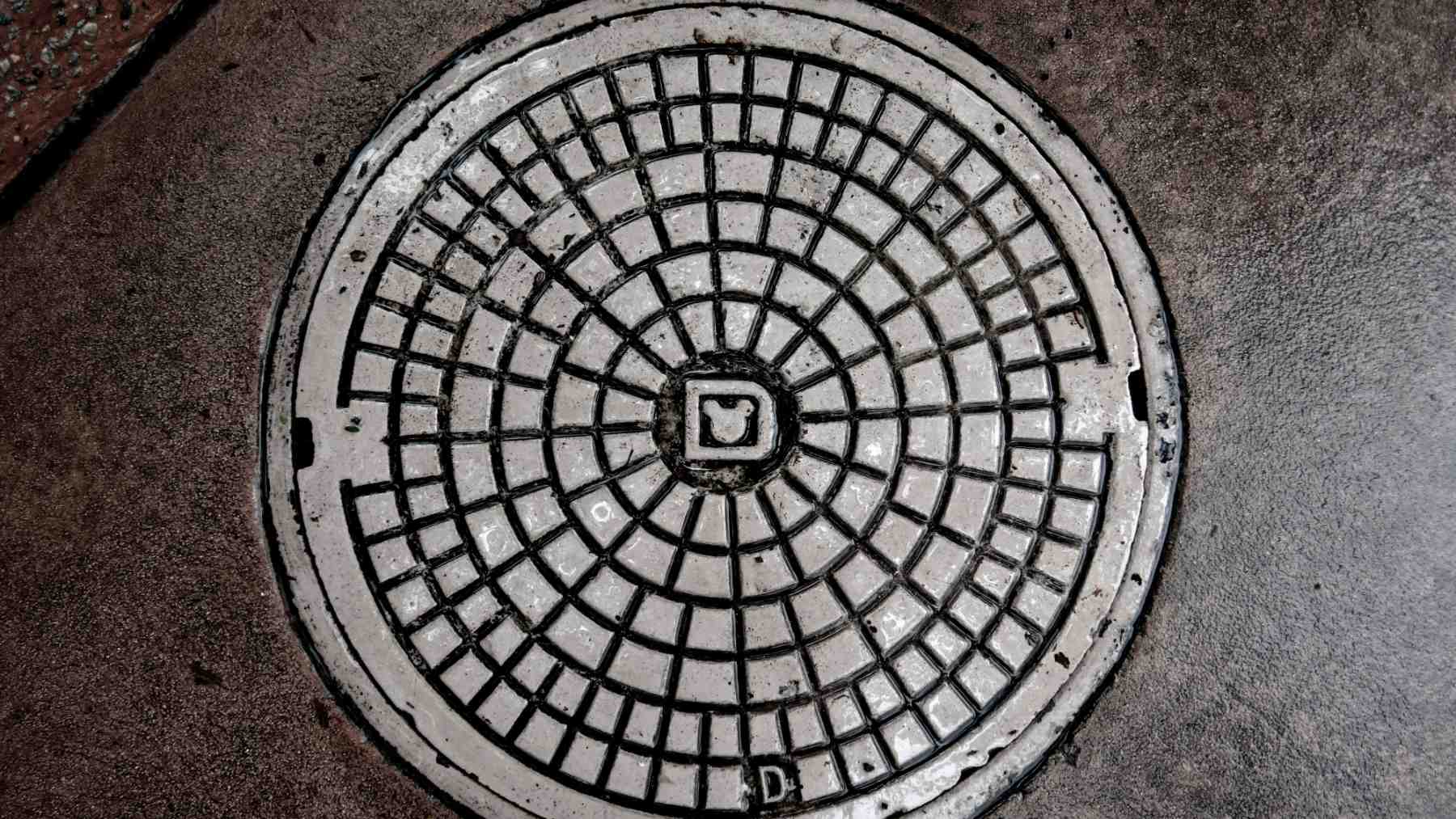
Ameresco announced on May 28 the completion of the first phase of a multi-year manhole rehabilitation initiative with the City of Mesquite, Texas — a system that spans approximately 6,400 manholes across the city’s wastewater network. More than 190 deteriorating manholes have been restored as part of the effort, which aims to improve system reliability and reduce long-term maintenance costs.
Project scope and completion
The first phase addresses a significant portion of Mesquite’s aging infrastructure. Of the roughly 6,400 manholes the city maintains, more than 190 showing visible signs of deterioration were selected for rehabilitation. Ameresco (NYSE: AMRC), headquartered in Framingham, Massachusetts, made the announcement on May 28, 2026. The project was included in Ameresco’s contracted backlog as of March 31, 2026, though the company noted that project completions aren’t necessarily indicative of revenue timing or overall backlog trends.
This is a multi-year, citywide initiative — meaning phase one is a starting point, not a conclusion. Thousands of manholes remain in the network, and future phases are expected to address additional assets as the city continues evaluating the condition of its underground infrastructure.
The difference between planned maintenance and emergency response — in both cost and disruption — is what makes rehabilitation programs like this one worth pursuing.
Why the rehabilitation was needed
Manholes are easy to overlook until something goes wrong. When aging structures begin to crack or degrade, the consequences extend well beyond the manholes themselves. A central concern is inflow and infiltration — stormwater entering the wastewater system through gaps, holes, or failed joints in deteriorating structures. When that happens, treatment facilities must process significantly more water than intended, driving up operational costs and straining capacity.
Structural failures also carry direct safety risks for workers and the surrounding community, and service disruptions can affect residential and commercial customers alike. Managing roughly 6,400 manholes across a single city is a substantial asset management challenge. Proactively repairing deteriorating structures before failures occur is generally far more cost-effective than responding to emergencies after the fact. The difference between planned maintenance and emergency response — in both cost and disruption — is what makes rehabilitation programs like this one worth pursuing.
Technical approach used by Ameresco
Ameresco’s rehabilitation solution centered on a multi-layered polymeric lining system, installed to restore each manhole’s structural integrity and extend its service life. The approach was designed to address both visible deterioration and the underlying surface conditions that could affect long-term performance.
Before any lining was applied, each manhole underwent a comprehensive cleaning process. Technicians identified holes and cracks, then grouted and plugged them to create a stable surface for maximum coating adhesion. Optimizing surface conditions ahead of installation is intended to improve coating durability and reduce future maintenance needs — a deliberate part of the process rather than an afterthought.
Expected effects on the city’s wastewater system
The project’s primary goals are practical: reduce system inefficiencies, lower wastewater treatment costs tied to aging infrastructure, and extend the operational lifespan of the rehabilitated manholes. Addressing deterioration before it leads to failure helps the city avoid the more expensive, disruptive scenario of emergency repairs.
City Manager Cliff Keheley pointed to cost management and service continuity as central priorities. “This proactive approach to rehabilitate aging assets not only prevents disruptions, it manages costs,” Keheley said in the announcement. “Programs like the ones offered by Ameresco help the City provide consistent and affordable services to our citizens.” Improved structural integrity across the rehabilitated manholes is also expected to reduce unplanned maintenance calls over time, freeing up city resources for other infrastructure priorities — with the broader aim of keeping the wastewater system reliable as Mesquite’s population and service demands grow.
Background: Ameresco’s broader partnership with Mesquite
This isn’t the first collaboration between Ameresco and Mesquite on water infrastructure. A previous project involved implementing a comprehensive smart metering infrastructure (AMI) system serving the city’s residential and commercial water utility customers — a separate but complementary effort to modernize how the city monitors and manages water usage.
Ameresco was founded in 2000 and has since grown into a provider of energy infrastructure and efficiency solutions. Its clients span federal, state, and local governments, utilities, data centers, educational and healthcare institutions, and commercial and industrial customers. The company employs more than 1,500 people across North America and Europe and trades on the New York Stock Exchange under the ticker AMRC.
Key takeaways
Phase one marks a concrete step in a longer effort to address aging wastewater infrastructure in Mesquite. More than 190 manholes have been structurally restored using a multi-layered polymeric lining system, with each structure cleaned and prepped before installation to maximize performance and longevity. The project targets inflow and infiltration risks, lower treatment costs, and fewer service disruptions across a network spanning approximately 6,400 manholes. Additional phases are expected to follow as the multi-year initiative continues.

Carlos is an engineer with strong expertise in technical and industrial topics. He previously worked at international companies such as Siemens and is multilingual.
