
EDP strapped GPS cameras onto white storks to map the biodiversity risks hiding along Europe’s migratory corridors
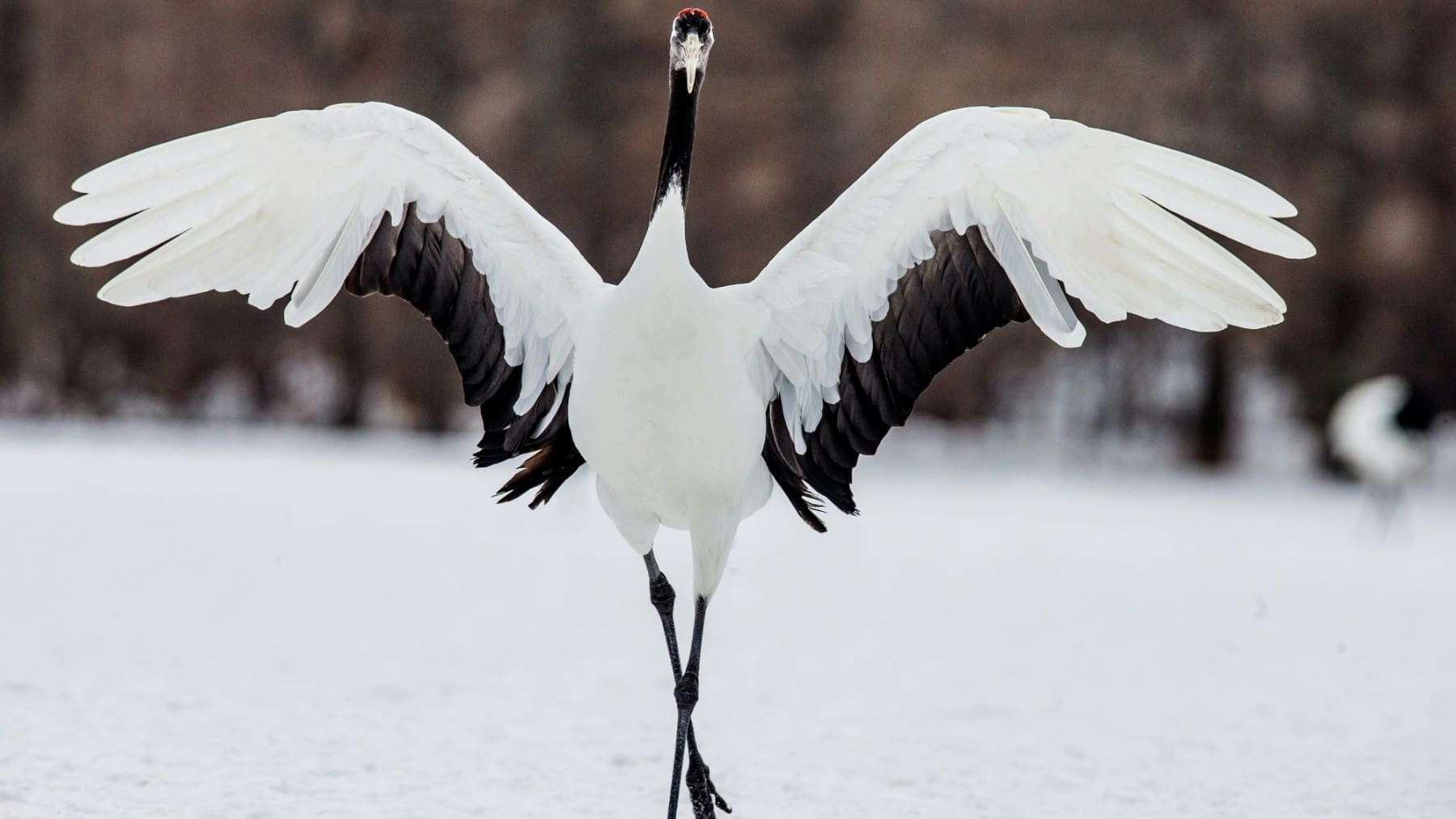
A white stork lifts off from a Polish field, GPS unit strapped to its back, a miniaturized camera recording everything below. It will cross deserts, coastlines, and country borders before the season turns — and it has no idea it’s doing it for science.
White storks make this round trip twice a year, threading through a landscape increasingly reshaped by roads, power lines, and energy infrastructure. Yet much of what these birds actually encounter along thousands of miles of migration has remained largely invisible to researchers. A new initiative in Poland is starting to change that.
A bird as a scientific instrument
The white stork (Ciconia ciconia) wasn’t chosen at random. It’s a recognized indicator species — one whose population health and movement patterns reflect broader environmental conditions across two continents. As storks travel between European breeding grounds and African wintering sites, they pass through a wide range of ecosystems and human-altered landscapes. What affects them tends to affect much else besides, making them unusually valuable as living sensors for large-scale environmental change.
Together, these tools offer what the research team describes as unprecedented insight into migration — not as an abstraction, but as a lived, documented experience.
The technology attached to each bird combines two distinct data streams. GPS tracking records precise location data throughout the journey, building a detailed map of routes taken, timing, and deviations. Miniaturized onboard cameras add something GPS alone can’t provide: a continuous, ground-level visual record of what the bird is actually encountering. Together, these tools offer what the research team describes as unprecedented insight into migration — not as an abstraction, but as a lived, documented experience.
Researchers are receiving something close to a first-person account of the migration corridor. They can see where birds detour, where they stop, what the habitat looks like at each point, and what structures or hazards appear in the flight path. That kind of continuous, granular data simply hasn’t been available at this scale before.
What the cameras are capturing
GPS coordinates tell you where a bird went. The cameras tell you what it saw when it got there — and that distinction matters more than it might initially seem.
The onboard video is capturing route deviations that would otherwise appear as unexplained blips in location data. It’s recording the condition of habitats along migration corridors: whether stopover sites offer adequate food and rest, or whether they’ve been degraded. Most significantly for the research partnership’s purposes, it’s documenting direct interactions with human infrastructure — power lines, wind turbines, and other energy-related structures that storks encounter at low altitude or on the ground.
These interactions were previously difficult to quantify. Researchers could infer risk from infrastructure maps overlaid with GPS tracks, but observing what actually happened when a bird came close to a power line or navigated through a wind energy zone was another matter entirely. The camera data begins to close that gap, providing evidence that’s both more specific and more credible than indirect inference. The result is a clearer picture of biodiversity-related risks along migratory corridors — risks that were real before this research began, but largely invisible in the data.
Where science meets the energy sector
The initiative was developed in collaboration with the Poznań University of Life Sciences in Poland, with EDP serving as both collaborator and funder. That pairing — an energy company alongside an academic research institution — reflects a deliberate effort to connect scientific expertise with the practical concerns of infrastructure development.
For EDP, the findings are intended to feed directly into decision-making. The research is designed to support the identification of avoidance and minimization measures: ways to site, design, or modify energy infrastructure so that its impact on migratory birds is reduced. Science-based planning of this kind is increasingly expected under international biodiversity frameworks, and having granular corridor data makes those decisions more defensible and more precise.
What stands out is the scope of the investment. The storks’ migration routes extend well beyond any territory where EDP currently operates, meaning the company is funding research that generates shared scientific knowledge about ecosystems and species it doesn’t directly manage. That represents a broader interpretation of corporate responsibility — one that treats biodiversity as a common resource worth protecting even when the business case is indirect.
The case for international coordination
Storks don’t follow national borders. The corridors they travel cross multiple countries, regulatory regimes, and energy grids, and a hazard encountered in one country may affect breeding success in another. A habitat degraded at a stopover site in one region ripples through population dynamics across the continent. This is why the research team frames its findings within the context of coordinated, international approaches to biodiversity conservation.
No single country, company, or institution can address migratory corridor risks alone. The data collected through this initiative has value precisely because it spans borders — revealing systemic patterns that only become visible when you follow the bird all the way.
In that sense, the project models something beyond its immediate findings. It demonstrates how an energy company can use scientific innovation not just to manage its own footprint, but to contribute to a wider body of knowledge aligned with international sustainability goals. As pressure grows on both governments and corporations to show measurable progress on biodiversity commitments, initiatives that generate real, cross-border data may become increasingly important reference points.
The storks will migrate again next season. The cameras will keep recording. And the picture of what Europe’s migratory corridors actually look like — from the inside — will keep getting sharper.

Carlos is an engineer with strong expertise in technical and industrial topics. He previously worked at international companies such as Siemens and is multilingual.
