
A sustainable power solution from start to finish.
Solar power is the highest installed capacity globally, but it has been limited to large-scale applications. One sector, among others, will highly benefit from small-scale smart solar technologies.
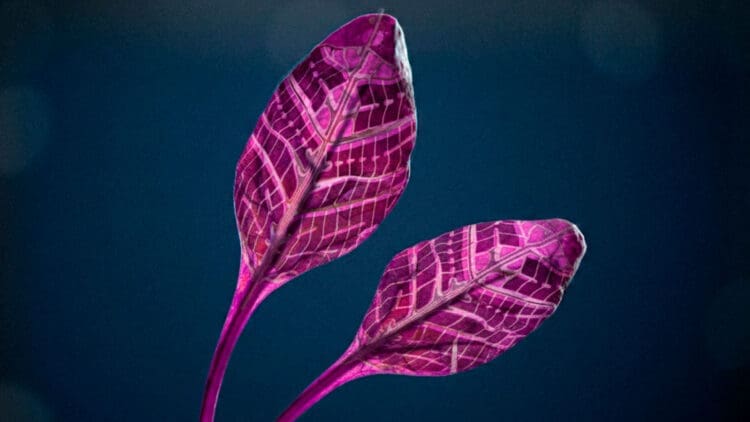
This is why a Finnish company developed solar leaves, demonstrating that efficient, clean power can be available on various scales.
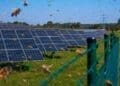
Could this be the sector’s turning point despite the significant impact of climate change?
The highs and lows of climate changes
Climate change is full of highs and lows.
However, these highs must not be mistaken for something positive. The highs include the substantial rise in global temperatures driven by prolonged high carbon emissions.
Heatwaves have become more extreme, frequent, and long-lasting.
Ocean levels are higher than ever, and all of these “highs” have led to significant lows.
Weather patterns are more unpredictable, with frequent extreme weather outbreaks. Glaciers are melting at record speeds, and the state of the ocean has changed. However, one of the greatest impending dooms for mankind is food insecurity.
Researchers and innovators are now actively addressing this global threat to prevent famine and reverse development.
Introducing smart technologies to agriculture is key to finding solutions for a struggling sector. In the latest innovation, the VTT Technical Research Centre of Finland Ltd. has dedicated research and development to create a sustainable, smart solution for the agriculture sector.
A sustainable technology to redeem a struggling sector
Finland is no stranger to extreme weather conditions, as the US was not the only nation pushed into a deep freeze by the 2026 Arctic Blasts. Finland’s agriculture sector has been struggling to cope with the impact of climate change, just like the rest of the world.
Crop yields are lower due to extreme rainfall and dry spells in the wrong seasons.
Higher temperatures enable pests and pathogens to thrive.
Managing these problems can result in high costs for farmers, which is why cost-effective and sustainable solutions are needed. Enter VTT’s innovative solar leaves.
As indicated on VTT’s Research Information Portal, solar leaves, or printed organic photovoltaic (OPV) modules, are a feasible concept. The technology was developed as a result of an international sustainable electronics study.
The international collaboration consisted of:
- VTT
- Tampere University
- University of Glasgow
- Lukasiewicz Institute of Microelectronics and Photonics
- Centre Suisse d’Électronique et de Microtechnique S.A. (CSEM)
- McGill University
Solar leaves as cultivation sensors
The study, which has been allocated three years, will focus on creating biodegradable cultivation sensors. VTT manufactured a light, small-scale solar cell that can be directly integrated into nature, i.e., leaves or plant stems.
The solar cell itself is extremely thin (less than 35 micrometers), and when solar protection is added, it remains thin.
This makes the technology highly competitive with the Austrian PV drone with thin solar film.
For the agriculture sector, solar cultivation sensors such as these “solar leaves” offer the following benefits:
- Decreased carbon footprint
- Improved real-time data collection (crop health, soil moisture, nutrient levels, etc.)
- Improved plant disease management
- The technology decomposes within weeks to months (depending on size)
- Lower input costs
- Improved environmental protection
A collaboration between VTT and the EU also entails creating sustainable electronics and photovoltaics for an IoT research project. The project combines sustainable, smart technology with a resource-efficient economy.
VTT’s solar leaves as cultivation sensors bring renewable energy to life, providing a feasible, clean solution to boost food security.
Thanks to this smart technology, the agriculture sector is now more than ready to move forward into a modern era. And there is no time like the present to do so, as data centers have already transformed the oil and gas industry.
Will agriculture finally unite with the Digital Age?
Disclaimer: Our coverage of events affecting companies is purely informative and descriptive. Under no circumstances does it seek to promote an opinion or create a trend, nor can it be taken as investment advice or a recommendation of any kind.